
The Maricopa County Treasurer’s Office handles property tax collection, billing, and fund distribution across Maricopa County, Arizona. The office works as part of the Maricopa County, Arizona Treasurer system, managing tax collection records and maintaining accurate property tax accounts for homeowners and businesses.
This office acts as the main billing office for property taxes and works closely with the tax collector of Maricopa County, AZ function to process payments and distribute funds to local services such as schools, fire districts, and public infrastructure. The maricopa county treasurer az system provides multiple payment options, including online payments, mail-in payments, and in-person services. Property owners also rely on this office for tax statements, due dates, and penalty-related information linked to late payments or unpaid balances.
What is the Maricopa County Treasurer’s Office?
The Maricopa County Treasurer’s Office handles the collection, management, and distribution of property tax funds across Maricopa County, Arizona. It works as the central financial hub for county-level tax payments and public revenue tracking. The office collects property taxes from homeowners and businesses and distributes funds to schools, cities, and local services. It functions within the broader county system of Maricopa County, Arizona, supporting public funding needs.
Role of Maricopa County Treasurer, AZ, in Local Finance
The maricopa county treasurer az serves as the official financial administrator for property tax collection. It acts as the primary tax collector maricopa county az, managing payments and records for property owners.
Duties include:
- https://treasurer.maricopa.gov/AboutTreasurer

- Collecting property tax payments from residents and businesses
- Recording tax billing and payment status
- Managing county funds for public services
- Distributing collected revenue to approved agencies
- Maintaining accurate taxpayer accounts
The office connects taxpayers with the county revenue system. It keeps financial records aligned with property valuations set by county assessment offices. This structure supports stable funding for schools, infrastructure, and public safety programs.
Tax Collection System and County Revenue Management
The tax collection system in Maricopa County operates on an annual billing cycle. Property owners receive tax statements based on assessed property values. Payments flow into a centralized county system managed by the treasurer’s office.
The process supports county revenue management through controlled steps:
- Property values are assessed by county departments
- Tax bills are issued to property owners
- Payments are collected through multiple channels
- Funds are distributed to local government agencies
This system keeps public finance organized across cities, districts, and service providers. It also maintains clear records for each parcel within the county tax database.
Billing Office Responsibilities and Payment Handling
The billing office responsibilities include tracking payments, issuing statements, and handling account inquiries. It maintains transparency in property tax billing and payment records.
| Function | Description |
|---|---|
| Tax Billing | Issues yearly property tax statements |
| Payment Processing | Records payments from property owners |
| Fund Distribution | Sends revenue to county departments |
| Account Management | Updates taxpayer records and balances |
| Public Records | Maintains tax history for parcels |
These functions support consistent financial operations across Maricopa County. The office also works with digital systems to process payments and update records in real time.
How Property Tax Collection Works in Maricopa County
Property tax collection in Maricopa County follows a structured county finance process that starts with property valuation and ends with fund distribution to public services. The Maricopa County Treasurer’s Office acts as the main tax collector that Maricopa County, AZ, residents interact with for payment processing. Each stage connects property assessment, billing, tax collection, and distribution in a fixed flow that supports schools, infrastructure, and county services.
Property valuation by the Assessor’s Office
The process starts with property valuation handled by the Maricopa County Assessor. This office reviews real estate data to assign taxable values for homes, land, and commercial buildings. The valuation step uses market sales, property size, location, and improvements. These details set the basis for the future tax bill. This stage directly impacts the tax collection amount later processed by the county.
Actions in this stage:
- https://treasurer.maricopa.gov/payment/
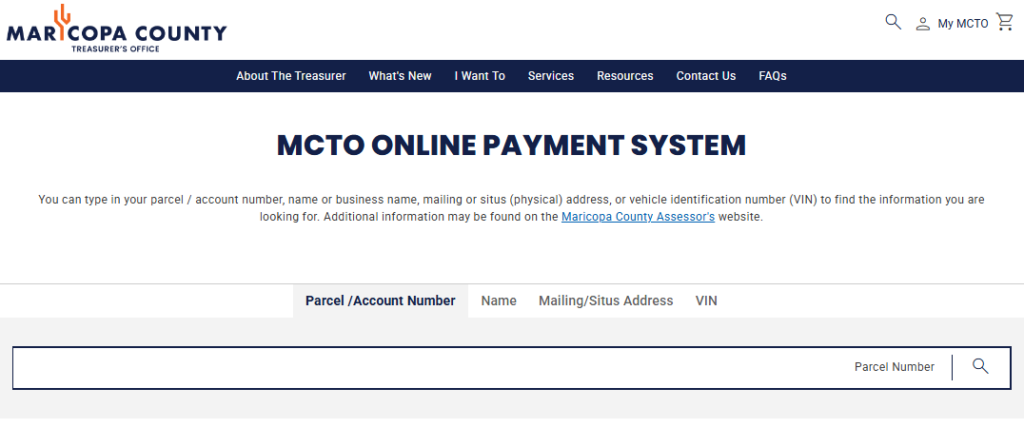
- Review of property records and ownership data
- Market comparison using recent sales
- Assessment of land and building value
- Assignment of full cash value and limited value
The assessed value becomes part of the property valuation record used in the county finance process. Once completed, the data moves forward for the tax rate application.
Tax bill generation and rate application
After valuation, tax rates from multiple jurisdictions are applied. These include school districts, city services, and county funds. The system calculates the total tax amount for each property. This creates the official property tax bill sent to owners each year.
Steps in this stage:
- Tax rates applied to assessed value
- Calculations from multiple taxing districts
- Creation of an annual tax statement
- Listing of due dates and payment options
At this point, the tax bill reflects total liability for each parcel. This step connects property valuation with the final tax collection amount handled by the Treasurer.
Payment collection by the Treasurer’s Office
The Maricopa County Treasurer’s Office manages incoming payments. This office acts as the main tax collector that Maricopa County, AZ, residents rely on for processing and recording payments. Payments can be made in installments or full amounts, depending on the taxpayer’s choice.
Common payment channels include:
- Online payment portal
- Mail-in checks
- In-person payments
- Authorized payment centers
The Treasurer records each payment in the county system. Late payments may include penalties based on county rules. This stage represents the active tax collection phase within the county finance process.
Fund distribution to public services
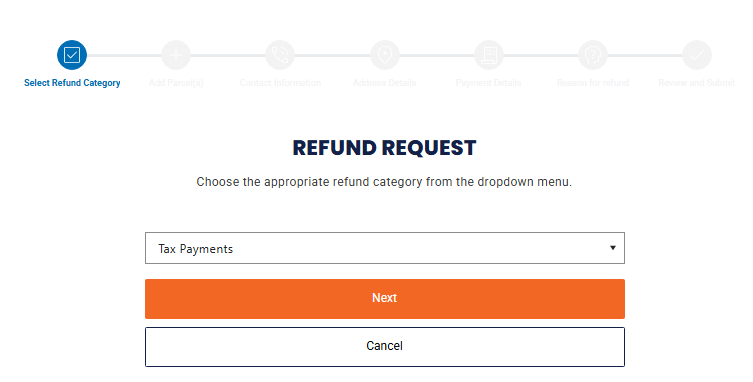
After collection, funds move into the tax distribution system https://treasurer.maricopa.gov/RefundRequest. The Treasurer allocates money to different government departments and districts. Distribution follows legal formulas set by Arizona tax laws.
| Recipient Area | Use of Funds |
|---|---|
| School districts | Education funding |
| County government | Public administration |
| Cities and towns | Local services and operations |
| Special districts | Fire, water, and infrastructure |
This stage completes the county finance process by sending collected revenue to public service providers. It keeps local operations funded through a structured allocation model.
How to Pay Property Taxes in Maricopa County
Property taxes in Maricopa County can be paid through online methods, in-person visits, or mail submissions handled by the Maricopa County Treasurer’s AZ billing office. Each payment option uses a structured payment processing system that records transactions in the county tax records. Most property owners select electronic payment options because they are faster and provide instant confirmation. The county also supports card payments, e-check transfers, and traditional mailing methods for flexibility.
Online Tax Payment System
The online tax payment portal is the most used option for property tax payments in Maricopa County. It runs through a secure payment system connected to the official tax bill payment portal managed by the county treasurer.
Steps process
- https://treasurer.maricopa.gov/PropertyTaxInformation/PaymentOptions
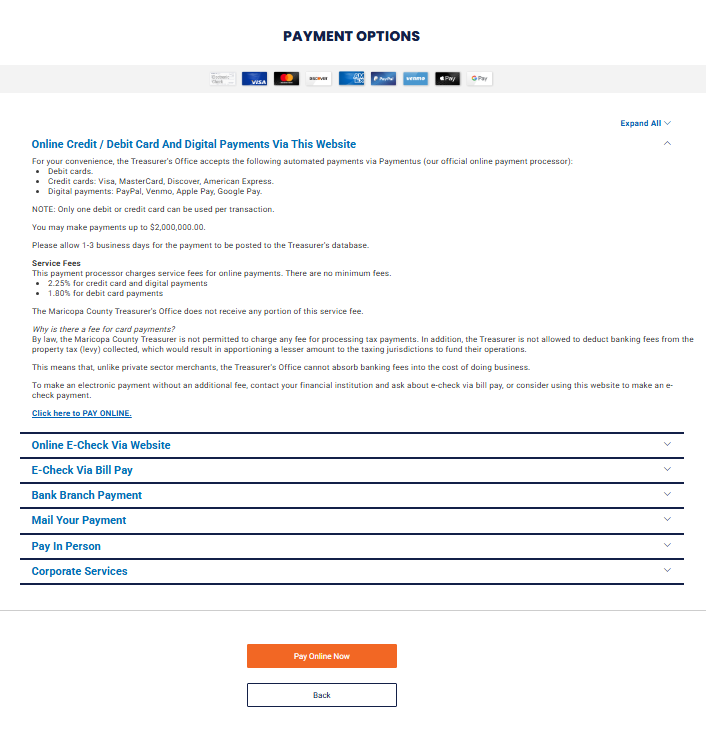
- The official Maricopa County Treasurer payment page
- Enter parcel number or property owner details
- Select the current tax bill
- Choose payment type
- Submit payment through the payment processing system
- Save the confirmation receipt
The system updates records quickly, and payments reflect in the tax account after processing.
Portal explanation
The tax payment portal shows:
- Current and past tax bills
- Installment status
- Outstanding balances
- Payment history
It works as a central digital billing office interface for property tax accounts.
Transaction security
The system uses encrypted communication channels for data protection. Card numbers and bank details are not stored after transaction completion. The platform follows county-level financial protection standards used in government payment systems.
Card vs E-check Payment Options
The maricopa county treasurer az payments system supports two main electronic methods.
| Payment Type | Processing Speed | Fees | Usage |
|---|---|---|---|
| Credit/Debit Card | Instant posting (processing may vary) | Convenience fee applies | Quick payments |
| E-check | 1–3 business days | Lower or no fee | Bank-based transfers |
Card payments work well for the urgent settlement of tax bills. E-check payments suit those who prefer direct bank withdrawal with lower charges.
In-Person Payment Process
An in-person payment service is available for taxpayers who prefer direct handling of their property tax bill. The Maricopa County Treasurer’s office processes payments at designated service counters.
Office location
- Main office:
- 301 W Jefferson St, Phoenix, AZ 85003
Additional service locations may operate during peak tax periods.
Hours
- Monday to Friday: Standard business hours
- Extended hours may appear during tax deadline periods
Hours can shift during peak tax collection cycles.
What to bring
Taxpayers should carry:
- Current property tax bill
- Parcel number or account details
- Payment method
- Valid identification
The counter staff processes payments through the same county payment system used in the online portal.
Mail-In Tax Payment
Mail payments remain a valid option for those who prefer paper-based submission. The tax collector in Maricopa County, A. Z. Z, processes mailed checks and money orders through a centralized lockbox system.
Mailing address
- Maricopa County Treasurer
- PO Box 52133
- Phoenix, AZ 85072-2133
Required documents
- Copy of tax bill or payment stub
- Check or money order payable to Maricopa County Treasurer
- Parcel number written on the payment reference line
Processing time
Mail payments typically take:
- 5 to 10 business days for posting
- Extra time during peak tax seasons
Payments are recorded once received and processed through the county tax collection system.
Tax Deadlines, Penalties & Late Fees
Property tax payments in Maricopa County follow strict due dates set by the county tax collection system. Missing deadlines leads to penalties, interest charges, and possible escalation into tax lien procedures handled by the tax collector, Maricopa County, AZ. Most property owners follow a two-installment system, with each installment having its own deadline.
Due dates for property tax payments
Maricopa County property taxes are divided into two installments:
- First installment: Usually due in October
- Second installment: Usually due in March
Full payment may also be made at the start of the cycle.
Late payments move into delinquent status after the deadline passes.
Late payment penalty and interest charges
Once a payment becomes late, the county applies penalty interest rates:
- Interest begins accruing monthly
- Penalties increase over time
- Additional fees may apply after an extended delay
A late payment penalty applies even if only part of the tax bill remains unpaid.
Delinquent tax notice process
If payment is not received after the deadlines, the county issues a delinquent tax notice. This notice informs the property owner about unpaid balances and penalties.
The process includes:
- First delinquency notice after the missed deadline
- Second notice with added interest charges
- Final notice before lien action
Each stage increases financial pressure on unpaid accounts.
Tax lien escalation process
If taxes remain unpaid for an extended period, the account may enter the tax lien process. This allows the county to place a legal claim on the property.
Steps include:
- Lien placement on the property record
- Public notice of tax lien sale
- Opportunity for redemption by paying the full balance
- Potential sale of lien certificate
The tax lien system protects county revenue and enforces compliance in tax collection.
Your Property Tax Bill
Property owners in Maricopa County receive a yearly tax bill that shows how local taxes are calculated and charged. The billing office breaks this statement into clear parts based on property value and tax rates. Each line on the tax bill reflects a specific charge tied to public services. A property tax bill shows how much a homeowner pays for schools, roads, fire services, and county operations. The total comes from a mix of assessed value and tax rates set by different agencies.
Line-by-Line Breakdown of a Tax Bill
A standard Maricopa County statement includes several sections:
- https://treasurer.maricopa.gov/TaxBill
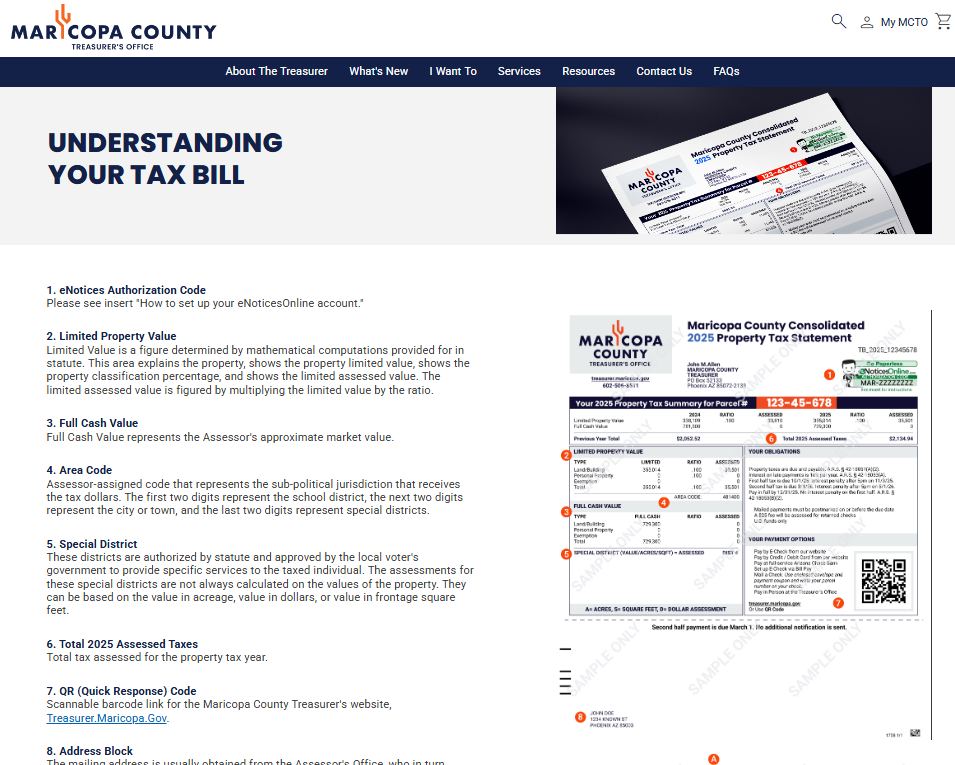
- Parcel Number: Unique ID for the property
- Owner Details: Name and mailing information
- Assessed Value: Value used for taxation after property assessment
- Taxing Districts: School, city, county, and special districts
- Tax Rate: Rate applied per $100 of assessed value
- Total Due: Final amount owed for the year
Each line connects to the county’s property assessment system. The valuation explanation shows how market value is adjusted for tax purposes.
Assessed Value and Valuation Explanation
The assessed value does not always match the market price. It is calculated using county rules and state formulas. This value becomes the base for the tax calculation breakdown.
Points about valuation:
- Market value comes from recent sales and trends
- Assessment ratio adjusts that value for tax use
- Exemptions may reduce the taxable value for some owners
For example, if a home’s market value is $400,000, the taxable value may be lower after adjustments.
Tax Rate Explanation and Billing Office Role
The tax rate is set by multiple agencies in Maricopa County. Each district adds its share. The billing office combines these rates into one statement.
Common tax rate components include:
- County operations funding
- School district levies
- City services
- Special district charges
So, the final tax bill reflects combined public service funding across the county.
Tax Liens and Delinquent Taxes Explained
A tax lien appears when property taxes stay unpaid after the due date. The county records this claim against the property. The tax collector maricopa county az manages collection, lien sales, and recovery steps. When taxes remain unpaid, the county may sell a lien certificate to investors. This does not remove ownership but creates legal claims on the property.
What Is a Tax Lien
A tax lien is a legal claim placed on real estate for unpaid taxes. It protects county revenue and shifts debt collection rights.
Points:
- https://treasurer.maricopa.gov/TaxLien
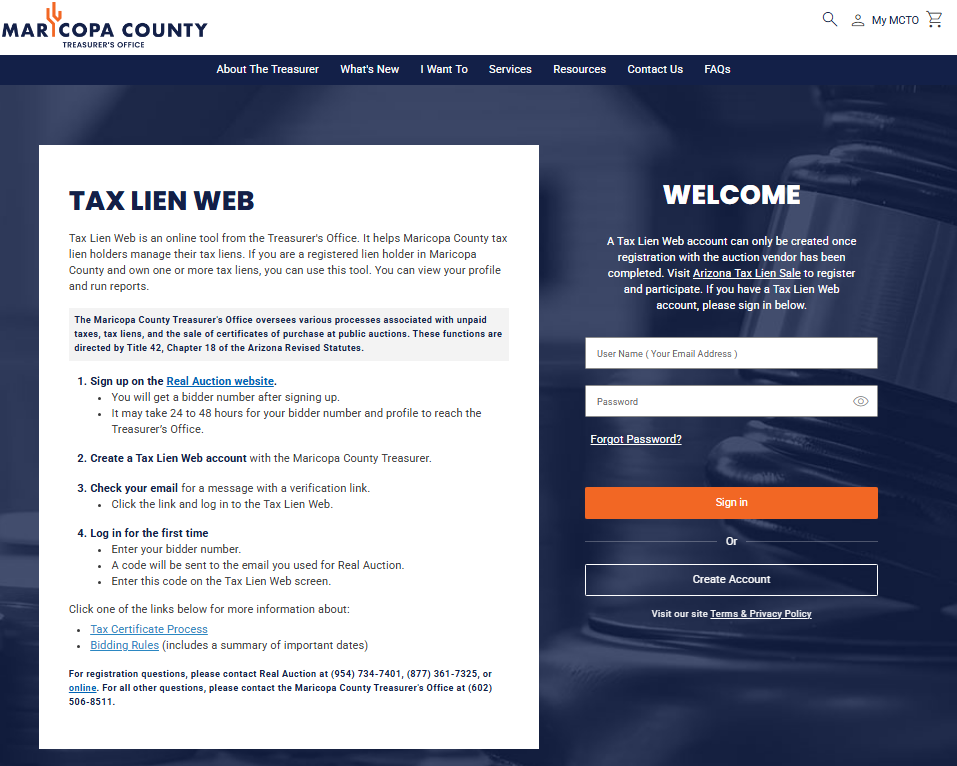
- Recorded against the property title
- Earns interest for the certificate holder
- Must be paid before property sale or refinance
The lien certificate becomes an investment tool for buyers at county auctions.
How Tax Lien Auctions Work
Maricopa County holds annual lien sales where investors bid on unpaid taxes. The process follows state tax laws.
Steps involved:
- County lists delinquent property taxes
- Auction opens for lien certificate bidding
- The lowest interest rate or premium bid wins
- The investor pays taxes on behalf of the owner
- The owner repays with interest to clear the lien
This system supports county revenue flow and reduces unpaid balances.
Risk of Foreclosure Process
If delinquent taxes stay unpaid for years, foreclosure may begin. This is a legal step, not immediate action.
Risk stages include:
- First year: penalty and interest added
- Second year: lien remains active
- After the redemption period, a foreclosure filing may start
The foreclosure process allows the lien holder to request property sale through court action. Homeowners usually still have time to repay before final action.
Contact the Maricopa County Treasurer’s Office
The maricopa county treasurer az office handles property tax payments, billing questions, and delinquent accounts. Staff provides help through phone, mail, and office visits.
Contact Details
- Phone: (602) 506-8511
- Address: 301 W Jefferson St, Phoenix, AZ 85003
- Hours: Monday to Friday, 8:00 AM – 5:00 PM
(FAQs) Maricopa County Treasurer’s Office
Property tax questions in Maricopa County usually focus on due dates, payment methods, penalties, and the role of the tax office. The Maricopa County Treasurer’s Office in AZ handles billing, collection, and property tax records across the county. It also operates as the main tax collector for Maricopa County, AZ, managing payments through mail, in-person visits, and the online tax system.
When are property taxes due?
Property taxes in Maricopa County follow a fixed yearly cycle set by the treasurer’s office, and payments are split into two installments for convenience. The first installment is usually due from October 1 to November 1, and the second installment runs from March 1 to May 1. Late payments after these dates trigger added costs under tax penalty rules, which increase the total amount owed over time.
How can tax payments be made online?
The county provides a secure online tax system that allows property owners to pay taxes quickly using parcel details or account information. Users can review balances, select payment methods like bank transfer or card payment, and submit transactions with instant confirmation. This system helps avoid delays and keeps records updated in real time for easier tax management.
What happens if a tax payment is missed?
Missing a property tax deadline leads to penalties under strict tax penalty rules, which include interest charges that increase the longer the amount remains unpaid. Additional consequences may include late fees and possible tax lien placement on the property. The treasurer’s office continues to track overdue accounts, and payments can still be made through the online tax system, though extra charges will apply.
Who is the tax collector in Maricopa County?
The official tax collector of Maricopa County, AZ, is the elected Maricopa County Treasurer, who manages all property tax billing and collection duties. This office sends tax statements, processes payments, monitors delinquent accounts, and distributes collected funds to local schools, cities, and public services. The Maricopa County Treasurer, AZ, ensures all property tax records remain accurate and up to date.
Can property taxes be paid in installments?
Property taxes in Maricopa County can be paid in two installments as part of the standard billing structure. This system helps property owners manage payments throughout the year instead of paying a single large amount. The Maricopa County Treasurer, AZ, allows partial payments before the final due dates under the official payment deadline schedule. If a property owner prefers, full payment can also be made early in one transaction. Both installment payments and full payments are processed through the online tax system, mail, or in-person channels. Missing any installment leads to penalties under tax penalty rules, which may increase the total balance over time.